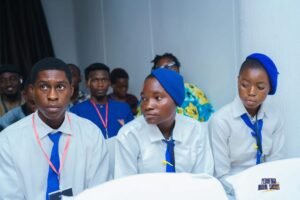
PedaAfrica EduSupport Outreach (2023)
The EduSupport Outreach is our flagship programme, designed to help children in underserved communities return to school with confidence. Through…
View Project→
At PedaAfrica Charity Foundation, we believe that every child, no matter where they are born or what their background is, deserves the chance to learn, grow, and dream without limits.
To become the leading catalyst for educational transformation in Africa, ensuring that all children receive high-quality education regardless of their socio-economic background
Our mission is to champion equal access to quality education for all individuals by advocating for policy reforms, promoting community engagement, and empowering stakeholders to create positive change in the education system
We focus on three core pillars:
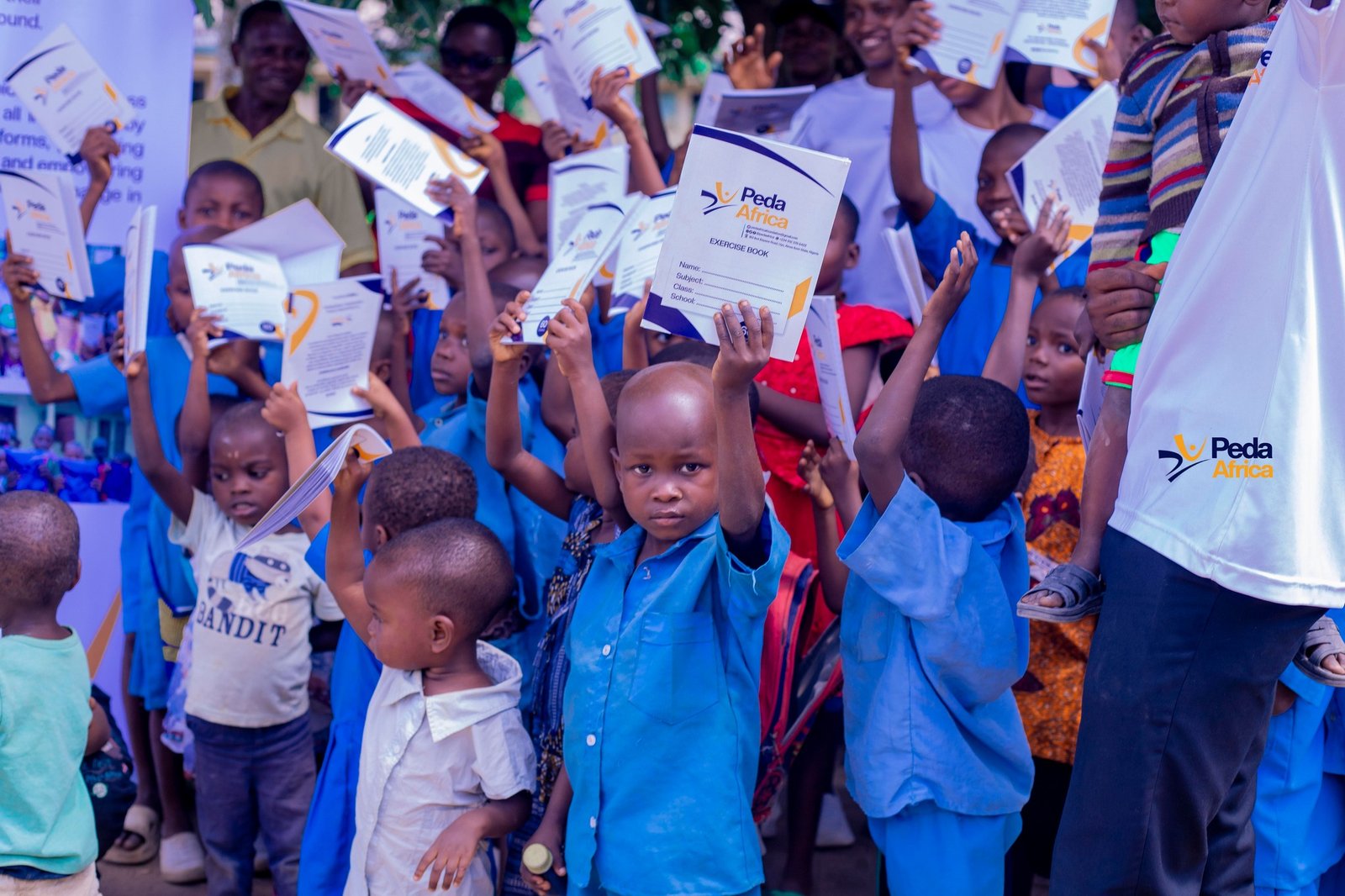
Description
Impact Description
Impact Description
Description
We run impactful education programs designed to support children in both rural and urban communities.
The EduSupport Outreach is our flagship programme, designed to help children in underserved communities return to school with confidence. Through…
View Project→
January 23, 2025 — Theme: Reforming Education in Africa with Data To start the year with purpose, we hosted an…
View Project→
Government Primary School, Imama, Obot Akara LGA. AKS. — November 25, 2024 We conducted a community needs assessment at Government…
View Project→